Apartments for Sale in Istanbul: 2026 Buyer’s Guide by Neighborhood

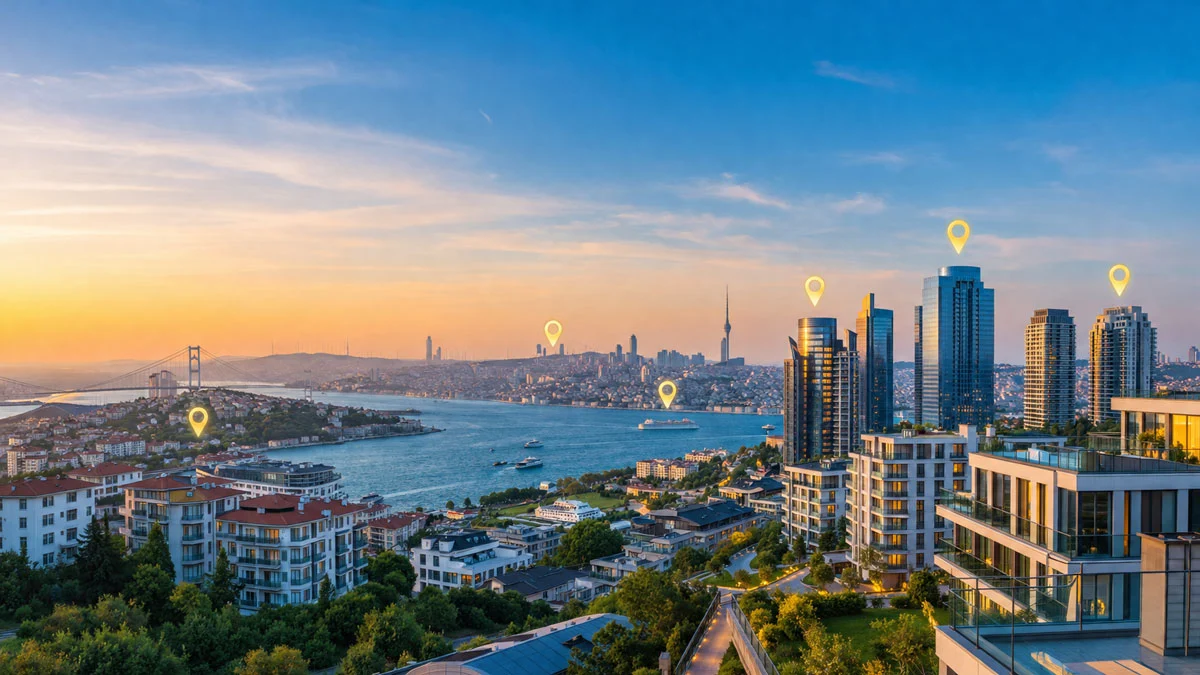
Istanbul has a way of making every apartment search feel both exciting and overwhelming. Two continents, fifteen million people, wildly different price points, and a real estate market that rewards the well-prepared and punishes the hasty. Whether you are relocating, investing for rental income, or building a path toward Turkish citizenship, knowing how the market actually works in 2026 makes all the difference.
This guide covers current price ranges, the neighborhoods worth your attention, what foreign buyers need to know before signing anything, and how to think about rental yields and long-term value.
Table of Contents
- Istanbul Apartment Prices in 2026
- European Side: Where Most of the Action Is
- Asian Side: Quieter, But Compelling
- Bosphorus-View Apartments
- Budget-Friendly Areas
- Buying as a Foreigner: The Practical Steps
- Rental Yields and Investment Outlook
- FAQ
- Conclusion
Istanbul Apartment Prices in 2026
Istanbul’s property market does not fit neatly into a single price bracket. According to a June 2026 market analysis by Mbany Real Estate, the average price per square meter in Istanbul ranges from $1,800 to $14,000, with ultra-luxury Bosphorus-front projects pushing well beyond that ceiling.
To put it in practical terms:
- Entry-level apartments start from approximately $120,000
- Mid-range apartments fall between $200,000 and $400,000
- Luxury units exceed $1,000,000
- Ultra-luxury penthouses with Bosphorus views can reach $5,000,000 and above
That spread reflects the city’s own diversity. A modern apartment in Esenyurt and a renovated loft in Galata are technically both “Istanbul apartments,” but they serve entirely different buyers with entirely different investment theses.
European Side: Where Most of the Action Is
As outlined in The Wandering Investor’s 2026 Istanbul guide, the European side carries stronger catalysts for long-term value growth: the new Istanbul Airport (already the world’s largest), the planned Canal Istanbul, and a denser concentration of business districts and international infrastructure.
Beyoğlu, Galata, and Karaköy
This cluster represents what experienced investors call “AAA” Istanbul real estate. Galata’s stone architecture, Karaköy’s gallery-and-café scene, Taksim’s connectivity, and Cihangir’s expat community all contribute to extremely consistent rental demand. You will always find tenants here; USD-denominated lease agreements are common; and the asset is highly liquid if you need to sell.
The trade-off: gross rental yields hover around 2-3%. This is the capital-preservation play, not the high-yield play.
Şişli and Nişantaşı
Şişli is the pragmatic investor’s neighborhood — central, well-connected, with a range of apartment stock that covers both the affordable and the premium end. Within Şişli, Nişantaşı stands apart as Istanbul’s answer to the Marais or Knightsbridge: flagship luxury brands line the main shopping street, affluent Turkish families are the core demographic, and Airbnb occupancy rates run high. Dollar rents are achievable. The entry price reflects all of this.
For investors who want a balance between yield and quality, the textile-district pockets within Şişli — slightly removed from the premium addresses but close enough to benefit — can offer gross yields in the 5-6% range with renovation upside.
Kağıthane
This is the neighborhood to watch in 2026. Sandwiched between Şişli and the newer northern districts, Kağıthane recently gained direct metro access to Istanbul Airport — the 7th busiest airport in the world. That single infrastructure change transformed a relatively overlooked area into a credible investment destination. Prices have not yet caught up with the neighborhood’s new connectivity profile, which is exactly when a patient buyer benefits.
Beylikdüzü and Başakşehir
On the western edge of the European side, these organized, family-oriented districts offer modern residential complexes at prices significantly below the central neighborhoods. Infrastructure continues to improve, and for buyers whose primary goal is a livable apartment at a manageable entry point, both areas deliver well.
Asian Side: Quieter, But Compelling
The Asian side is often underestimated by international buyers who assume “European side = better investment.” The reality is more nuanced.
Kadıköy and Moda
If lifestyle is the priority, Kadıköy is hard to beat. The Moda waterfront, the fresh produce market at Kadıköy bazaar, the independent bookshops and live music venues — it reads like a city within the city. Apartment quality is generally good, and prices are comparable to equivalent neighborhoods on the European side.
The caveat for investors: tourist-driven Airbnb demand is weaker here. Most international visitors stay on the European side, which dampens short-term rental returns. USD long-term contracts are also harder to secure. For buyers who plan to live in the apartment or prefer a stable local tenant base, Kadıköy is excellent. For short-term rental income maximization, the European side generally performs better.
Üsküdar
Historical texture, Bosphorus views, and strong public transport links make Üsküdar a reliable choice for mid-to-upper-income buyers. Property values here have been steady, and the neighborhood attracts both Turkish families and foreign buyers looking for a quieter base with easy ferry access to the European side.
Maltepe
A coastal district undergoing active urban renewal, Maltepe offers installment-based new developments at competitive prices. For buyers priced out of central Asian-side neighborhoods, Maltepe provides a credible alternative with waterfront appeal.
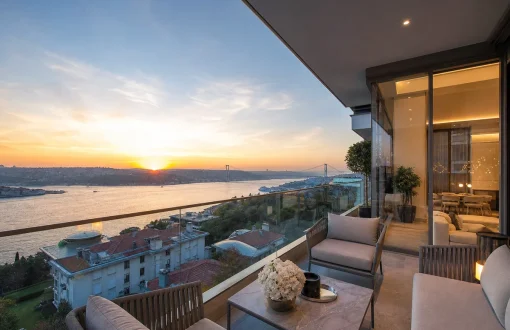
Bosphorus-View Apartments
Bosphorus-view apartments occupy their own category in Istanbul’s market — and for good reason. These properties combine scarcity, prestige, and global demand in a way that keeps values resilient even when the broader market softens.
What to expect:
- Price per square meter: $8,000 to $14,000+, rising sharply for penthouse-level units
- Gross rental yield: approximately 2-3%, but capital preservation is strong
- Demand: consistently international (Gulf, Russia, Western Europe)
- Liquidity: high in prime locations
Beşiktaş, Sarıyer, and the Bosphorus shoreline are the core addresses. Beşiktaş deserves special attention: an already-vibrant neighborhood famous for its restaurants, historic palaces, and energetic street life, it currently suffers from poor connectivity. That changes when the city’s planned metro line — already under construction — adds a station in Beşiktaş. Prime real estate plus a connectivity upgrade is a historically reliable combination.
Budget-Friendly Areas
Not every Istanbul purchase needs to start at $200,000. The following districts offer genuine entry points:
- Esenyurt: One of the most affordable markets in Istanbul, with a strong stock of modern residential projects and consistent local rental demand.
- Arnavutköy: Close to Istanbul Airport and surrounded by new infrastructure investment; the long-term value thesis here is driven by proximity to the airport ecosystem.
- Küçükçekmece: Lake views, reasonable prices, and improving transport links.
- Beylikdüzü: Modern, organized, and family-friendly, with prices well below central Istanbul.
These areas typically start from $120,000 for a one-bedroom apartment. The trade-off is distance from the center; the long-term bet is that Istanbul’s infrastructure expansion continues to close that gap.
Okaziyon.com lists verified property projects across Istanbul with transparent pricing and full details — a practical starting point for narrowing your shortlist before engaging agents.
Rental Yields and Investment Outlook
Istanbul’s rental market in 2026 is active. High interest rates slowed mortgage lending over the past year, which kept more potential buyers in the rental pool. That has kept occupancy rates healthy and prevented rental prices from dropping.
Yield expectations by segment:
- Prime locations (Beyoğlu, Bosphorus front): 2-3% gross annual yield; strong capital protection
- Mid-range (Şişli, Kağıthane): 5-6% gross annual yield; solid balance of return and risk
- Outer districts (Esenyurt, Beylikdüzü): Variable, but entry price advantage is significant
One factor worth noting for foreign investors: Istanbul’s population of 15 million is projected to grow substantially through urbanization and positive demographics. That long-term demand pressure underpins the investment case regardless of short-term market fluctuations.
FAQ
What is the minimum budget to buy an apartment in Istanbul?
Entry-level apartments start from approximately $120,000 in outer districts. Central neighborhoods typically start from $200,000 and rise significantly from there.
Can foreigners buy apartments in Istanbul?
Yes. Citizens of over 183 countries can legally purchase property in Turkey. A small number of nationalities face restrictions; check the current list before proceeding.
Which Istanbul neighborhood is best for rental income?
For higher yields (5-6%), Şişli and Kağıthane are strong choices. For maximum occupancy and USD-denominated contracts, Beyoğlu and Galata lead.
Is Istanbul real estate a good investment in 2026?
The market is currently described as a buyer’s market, with prices having consolidated after the 2020-2023 boom. Rental demand is healthy, and long-term demographic pressure supports values. As with any market, location selection is the critical variable.
How do I qualify for Turkish citizenship through property investment?
Purchase property worth at least $400,000 and commit to holding it for a minimum of three years. The application goes through the Ministry of Environment, Urbananism, and Climate Change, followed by the Ministry of Interior.
Conclusion
Apartments for sale in Istanbul range from budget-friendly outer-district units to Bosphorus-view penthouses priced in the millions. What they share is a city backdrop with genuine long-term fundamentals: a growing population, expanding infrastructure, and a geographic position that keeps Istanbul relevant to both Eastern and Western capital flows.
The buyers who do well here are the ones who pick a clear strategy — capital safety, rental yield, or value appreciation — and then match neighborhood, budget, and property type to that strategy. Browse verified Istanbul listings, compare neighborhoods, and access expert guidance at Okaziyon.com.