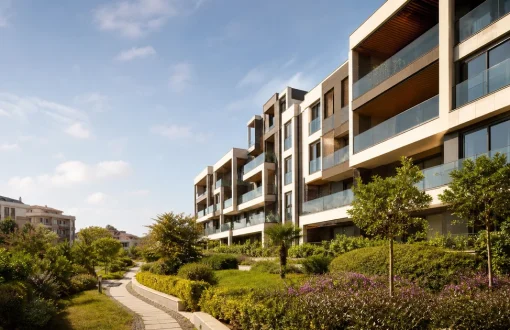
Guide to Buying Property in Turkey 2026: Step-by-Step Process, Taxes & Expert Tips for Foreign Buyers


Turkey has consistently ranked among the top destinations for international property buyers, and for good reason. Competitive prices by European standards, a fast-growing urban real estate sector, a citizenship-by-investment program, and a welcoming legal framework for foreign ownership have made Turkey one of the most accessible markets in the region. Whether you are considering an apartment in Istanbul, a villa on the Aegean coast, or an investment property in a fast-growing city, understanding the buying process from start to finish is the single most important step before committing any funds. This guide covers everything you need to know.
Who Can Buy Property in Turkey?
Turkey's Land Registry Law (No. 2644, as amended) permits citizens of most countries to purchase real estate in the country. More than 180 nationalities are eligible, with exceptions applying to a small number of restricted nations (currently including Syria, Cuba, and North Korea, among a few others). Beyond nationality restrictions, there are two key legal caps to be aware of:
- A single foreign individual may not own more than 30 hectares of land nationally.
- Foreign ownership in any single district may not exceed 10% of the total designated residential zone area.
For standard residential and commercial properties in cities like Istanbul, Izmir, Antalya, or Baku, neither of these limits poses a practical obstacle for most buyers.
Step-by-Step: How to Buy Property in Turkey
Step 1: Property Search and Reservation
Start by identifying properties through a reputable real estate platform or licensed agency. Before paying any reservation deposit, request the title deed (tapu) and verify that no mortgages, liens, or encumbrances are registered against the property. A reservation deposit, typically between €1,000 and €5,000, is paid once you decide to proceed, to take the property off the market while due diligence is completed. This amount is usually deducted from the purchase price at closing. Comparing at least two or three properties before committing helps ensure you are making an informed decision.
Step 2: Obtain a Turkish Tax Identification Number
Every foreign buyer must obtain a Turkish Tax Identification Number (Vergi Kimlik Numarası, or VKN) before completing any purchase. You can get this at any local tax office (vergi dairesi) using only your passport. The process takes around 15 to 30 minutes and is free of charge. The tax number is required for opening a bank account, completing the title deed transfer, and setting up utility contracts in your name.
Step 3: Open a Turkish Bank Account
Turkish law requires that the purchase price flow through the official banking system. Open an account at one of Turkey's established banks, Garanti BBVA, İş Bankası, Yapı Kredi, or Ziraat Bank are popular choices for foreign buyers, using your passport and tax number. All funds must be transferred via documented bank transfers (SWIFT receipts). For buyers pursuing the citizenship-by-investment program or VAT exemptions, a clean and fully documented payment trail is essential.
Step 4: Legal Due Diligence
Before signing anything, engaging a licensed Turkish real estate lawyer to carry out due diligence is strongly advisable. This typically covers:
- Verifying title deed authenticity and the full ownership history
- Checking for any mortgages, liens, seizure orders, or pending litigation
- Confirming zoning status and the validity of construction permits
- Reviewing compulsory earthquake insurance (DASK) status
- For off-plan properties: examining the project's building license, completion guarantees, and the developer's track record
The cost of legal representation is modest compared to the risks of proceeding without it, especially on off-plan purchases.
Step 5: Signing the Sales Contract
For ready properties, the title deed transfer can proceed directly at the Land Registry Office. For off-plan (project-stage) properties, a notarized preliminary sales agreement (tapu vaadi sözleşmesi) is signed instead. This contract must clearly state the purchase price, payment schedule, delivery date, and any penalty clauses for delays. Off-plan contracts must be registered with a notary to be legally enforceable, unregistered agreements do not provide adequate buyer protection.
Step 6: Title Deed Transfer (Tapu Devri)
The final step is completing the title deed transfer at the Land Registry and Cadastre Office (Tapu ve Kadastro Müdürlüğü). Both the buyer and seller, or their authorized attorneys, must be present. If the buyer does not speak Turkish, a sworn interpreter (yeminli tercüman) is legally required during the signing. Once all applicable fees and taxes are paid, the tapu is issued in the buyer's name and the purchase is complete.
Required Documents for Foreign Buyers
Gather the following documents before starting the process:
- Valid passport with a certified Turkish translation
- Turkish Tax Identification Number
- Two biometric passport photos
- Compulsory earthquake insurance (DASK policy)
- Bank transfer receipt(s) documenting payment of the purchase price
- Notarized power of attorney if an attorney is completing the process on your behalf
For off-plan purchases, the project's building license and condominium certificate (kat irtifakı) may also be required.
Property Purchase Taxes and Costs in Turkey
Understanding all costs upfront allows you to budget accurately and avoid surprises at closing.
Title Deed Tax (Tapu Harcı): Levied at 4% of the official sale price, nominally split between buyer and seller, though in practice the buyer typically pays the full amount. Always declare the true sale price, as undervaluation carries legal risk.
VAT (KDV): For residential properties under 150 m² net area, VAT ranges from 1% to 20% depending on location, land cost per square metre, and project classification. Some new developments qualify for a VAT exemption for foreign buyers who pay in foreign currency, always confirm this with the developer before committing.
Compulsory Earthquake Insurance (DASK): Mandatory for all properties. The premium depends on property size, construction type, and location. A valid policy must be in place before the title deed transfer.
Notary Fees: Approximately 0.5% to 1% of the contract value, paid when notarizing off-plan sales agreements.
Real Estate Agent Commission: Typically 2% plus VAT, charged separately to each party. Always clarify this upfront before engaging an agent.
Annual Property Tax (Emlak Vergisi): Ranges from 0.1% to 0.6% of the property's assessed municipal value, with higher rates applying within metropolitan municipality boundaries.
Common Mistakes Foreign Buyers Make
Being aware of these pitfalls can save you considerable time, money, and stress:
Paying before checking the title deed: Always verify the tapu before releasing any funds. Mortgages or liens on the title can transfer to the new owner post-purchase.
Skipping independent legal advice: Developers and agents, even reputable ones, represent their own interests. An independent lawyer represents yours.
Paying the full amount upfront on off-plan projects: Wherever possible, stagger payments in line with construction milestones and insist on a completion guarantee before signing.
Undervaluing the property on the tapu: For citizenship-by-investment applicants, the tapu must reflect a value of at least USD 400,000. Undervaluation invalidates the citizenship application.
Not using the banking system for transfers: For VAT exemptions and citizenship eligibility, every payment must be documented through official bank channels with SWIFT receipts.
Where to Start Your Property Search in Turkey
Turkey's most active international real estate markets offer a wide range of options depending on your goal. Istanbul's apartments and investment projects cover everything from compact central-city studios to large-format family developments across both the European and Asian sides of the city. Izmir's property market appeals to buyers seeking a Mediterranean lifestyle at more accessible price points. For investors looking beyond Turkey's borders, Baku's emerging real estate scene offers another compelling option worth exploring.
Frequently Asked Questions
How long does the property buying process take in Turkey?
For ready properties, the title deed transfer typically completes within three to six weeks of the initial agreement. Off-plan purchases follow the project's construction timeline, which can range from one to three years.
Can property owners in Turkey get a residence permit?
Yes. Foreign nationals who own property in Turkey can apply for a real estate residency permit, provided the property's assessed value meets the minimum threshold set by the relevant provincial authorities.
What is the minimum investment for Turkish citizenship?
The current threshold is USD 400,000 at the official exchange rate at the time of title deed registration. The property must be held for a minimum of three years.
Do I need to be in Turkey to complete the purchase?
No. You can appoint a licensed attorney in Turkey through a notarized power of attorney, allowing the entire process, from signing contracts to collecting the title deed, to be completed on your behalf.
Can foreign buyers get a mortgage in Turkey?
Some Turkish banks offer mortgages to foreign nationals, though eligibility criteria and terms vary by institution and the buyer's nationality. Buyers with foreign-currency income often find the application process more straightforward.
Are there any restrictions on renting out a purchased property?
Foreign nationals can legally rent out their Turkish properties. Short-term tourist rentals require a license from the relevant municipality, while long-term residential rentals are subject to standard tenancy regulations.
Start Your Turkey Property Journey with Okaziyon
Buying property in Turkey involves navigating a legal process that is manageable with the right preparation and professional support. Understanding the steps, taxes, and common pitfalls puts you in a far stronger position as a buyer. Okaziyon's team of property specialists works with international buyers across Istanbul, Izmir, Antalya, and Baku, from the initial property search all the way through to title deed transfer. Browse our curated listings and reach out to our team to receive tailored guidance for your specific situation and budget.